Jul 26, 2013

Happy 20th Birthday, Sammy!


Sammy Spider and the Shapiro family have been teaching children about Jewish holidays and values for 20 years!


Throw a birthday party for your favorite spider (or a Sammy-themed birthday for your child)! Then, spend the whole year celebrating with Sammy-related activities!


 Check out the Kar-Ben website for fun birthday printables like invitations, party hats, coloring pages and a pin-the-legs-on-Sammy game!


You can also find activities, recipes, and crafts for every month and many holidays! Make your own afikomen cover for Passover, a Sammy Spider grogger for Purim, or try Mrs. Shapiro's challah and blintz recipes!


Hear from author Sylvia A. Rouss and illustrator Katherine Janus Kahn about the creation of Sammy Spider in this video from Kar-Ben eBook partner Open Road Media!


In celebration of Sammy's birthday, Kar-Ben introduces the 19th and 20th books in the Sammy Spider series!

 
Sammy Spider's First Book of Jewish Holidays is a book of Jewish holidays for very young children, with one simple holiday fact per page and illustrated with iconic Sammy Spider art.
 
Sammy Spider's First Yom Kippur is a story about saying "I'm sorry." When Josh breaks the rules and plays ball indoors, he finds himself apologizing not only to his parents, but to Sammy Spider as well.

Jul 22, 2013

Prevent the "Summer Slide" with Reading Comprehension!

"Summer slide" is used to refer to the skills or knowledge that students lose when they're not in school during the summer months. The summer slide can be particularly problematic for young readers, as they need to practice their reading and comprehension skills consistently to maintain them.

One of the easiest ways to help combat the summer slide is to set aside a few minutes each day to read with your child, whether they're reading to you or you to them. Asking a few reading comprehension questions will help make sure your child is understanding the reading.

Help prevent the summer slide with these reading comprehension questions for The Cats on Ben Yehuda Street:


1. Why did Mr. Modiano never come inside for tea when Mrs. Spiegal invited him?

2. What does Mrs. Spiegal do with the fish Mr. Modiano brings her? Does Mr. Modiano know? What makes you think that?

3. What does Mrs. Spiegal like about Ketzie?

4. Where do Ketzie and Gatito always wait for Mrs. Spiegal?

5. How does Mrs. Spiegal feel when she can't find Ketzie?

6. Why does Mr. Modiano adopt Gatito?

7. How did Mr. Modiano's feelings about cats change from the beginning of the story to the end of the story? How do you know?

You can find The Cats on Ben Yehuda Street on the Kar-Ben website, along with other fun summer titles!

Jul 12, 2013

A Simple and Delicious Summery Shabbat Treat!

July means berry season, and what better way to use this tasty summer produce than by making a sweet treat for Shabbat?

No-Bake Berry Cheesecake

1 lb. cream cheese
1/3 cup sugar
2 Tbsp. lemon juice
8 oz. whipped topping
1 graham cracker crust
blueberries, strawberry halves

Beat cream cheese, sugar, and lemon juice until well blended. Stir in two cups of the whipped topping. Refridgerate for several hours. Before serving spread remaining topping over the cake and decorate with fresh berries!


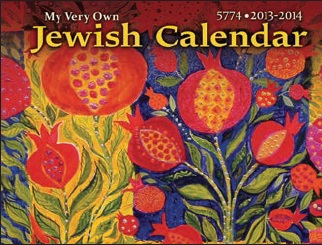
Enjoy this recipe? Kar-Ben's "My Very Own Jewish Calendar" is filled with fun facts, recipes, activities, and more!

Jul 2, 2013

Looking for Fun Summer Activities? Kar-Ben has a Few Ideas!

If you're stuck on ideas for what to do with the beautiful weather and extra time that summer offers, take some inspiration from the characters in these books!

Tikkun Olam Ted
 

Ted spends his days working to make the world a better, kinder place by doing good deeds. Taking a lesson from Ted means participating in summer activities that are both fun and helpful!

1. Spend some quality time with your pets, or volunteer at an animal shelter. Animals appreciate the attention and the chance to get outside, and make great friends for a summer afternoon. Taking care of animals also helps children practice responsibility.

2. Use recycled materials to create unique new art projects. Keep some of those useful scraps out of the trash and use them for art projects instead of buying brand-new materials. Reusing what we can is as valuable to the environment as recycling.

3. Work in the garden - if you don't have one, help out a neighbor or volunteer at a community garden. Gardening is a great productive way to spend time outside, and watching the plants they care for grow is a great way for children to see the results of their hard work.

Thank You, Trees!


Children and adults celebrate Tu B'Shevat in this book, but you don't have to wait until January to try some of the activities they enjoy!

4. Go on a picnic. It can be as simple as taking lunch out into the backyard, or you and your child can plan an outing, complete with baskets and blankets.

5. Have an outdoors sing-a-long or dance with your friends. Children may be familiar with the same songs from school or family, and outside is a perfect place to be loud, dance out some extra energy, and celebrate.

No Baths at Camp


"There are no baths at camp!" says Max when his mother starts filling the tub. But as he recounts his week's activities, he realizes that there were many fun ways he got clean at summer camp. Whether it's at camp or at home, Max and his friends have some great ideas about how to enjoy their summer!

6. Stage an outdoor play. It can be a play, or try finding a reader's theater script for one of your favorite books! Reading a script will also help your child practice their literacy skills during summer break.

7. Build a fire and make s'mores. A campfire is also a fun time to tell stories and spend time relaxing after a long summer day.

8. Have a water balloon fight. Want to cool off, but can't make it to the pool? Have a water balloon fight instead!

9. Go for a nature hike. Find a park nearby - even the neighborhood park you go to all the time can provide interesting new things to observe, if you look hard enough. Try out a state park for even more adventure.

To learn more or to purchase Tikkun Olam Ted, Thank You, Trees! or No Baths at Camp, visit the Kar-Ben website!

Jun 24, 2013

Summertime Fun with Picnic at Camp Shalom!


In today's guest blog post, author Jacqueline Jules tells us a little bit about her book Picnic at Camp Shalom.
 
Summer camp is an opportunity to make new friends in a busy environment of swimming, boating, and creative activities. It’s also a place where Jewish children can leave behind the isolation they sometimes feel at home. Many Jewish children go to schools where they are a distinct minority. Summer camp can be a place of community and acceptance they do not experience elsewhere.

In Picnic at Camp Shalom, Carly meets Sara—a girl who shares her love of music and her fashion taste. On the first day of camp, they are surprised to see that they are both wearing the same blue bathing suit with white stars. “Twins!” They giggle. At night in their cabin, they talk by flashlight way past “lights out.” But trouble brews when Carly learns that they are far more alike than Sara realizes. They both have endured teasing at home for a last name that appears strange to children with short, plain names like “Jones” or “Walker.” Sara misunderstands Carly’s delight over finding out her new camp friend’s last name is “Frankfurter! Like the hotdog.” When Carly finally reveals her own last name, they discover that they are the perfect pair for Camp Shalom’s Sunday picnic.
 
Click below for a sneak preview of this story of summer camp friendship.


Buy the book here, and visit www.jacquelinejules.com to learn more about the author.

Jun 13, 2013

Two Unique Books Help Families Cope With the Loss of a Loved One

 
Loss is never easy, and it can be especially difficult for children to comprehend. Within Kar-Ben Publishing's large library of titles are books that can help children understand concepts on a wide variety of topics, like the loss of a loved one, by offering stories told with thoughtfulness and sensitivity.

A little boy and his family gather at the cemetery for the unveiling of his beloved grandpa’s gravestone, bringing stones to place on the grave, as is the Jewish tradition. They tell stories that help the boy deal with his loss, reminding him of the wonderful memories he has of his grandpa.

In this touching narrative, young children ask, "Where do people go when they die?" Each child asks an adult that they trust--a father, a mother, a grandfather, an aunt, a teacher--and, although the reassuring answers they receive are all different, each leads back to the same simple truth: when people die, "They go to God. Who is everywhere." With an afterward and helpful suggestions about how to explain death to children, readers will find insight into one of the emotional issues we all struggle with.
To identify Kar-Ben books exemplifying Jewish values, please use the Valuesfinder tool created by the Association of Jewish Libraries.


Apr 29, 2013

What Does a Gorilla Gift at Hanukkah? Ask Author Jane Sutton!

Being funny is hard work. Not all writers have a wellspring of humor to tap into or the patience to refine an idea until it goes from potentially humorous to side-splitting. Jane Sutton, elected class comedienne in high school, gives young readers everywhere the gift of giggles as they read her new Hanukkah book about a gift mix-up, Esther's Hanukkah Disaster (available September 2013).


Esther's Hanukkah Disaster
It’s hard to pick the perfect gift, and Esther the Gorilla’s choices seem all wrong at first. But it all gets sorted out when she invites her animal friends to a joyful Hanukkah party.
 
Jane Sutton grew up in Roslyn, Long Island, where she began writing stories and poems at a young age. She graduated from Brandeis University with a B.A. in Comparative Literature. In addition to writing books, Jane is a writing tutor and teaches a community education class for adults about how to write for kids. She, her husband, and grown children live in the Boston area.

We interviewed Jane about being a cut-up and having the guts to cut (as in revision) and about Esther's Hanukkah Disaster:
 
What was your favorite book when you were a child?
Horton Hatches an Egg by Dr. Seuss

What’s your favorite line from a book?
From George and Martha by James Marshall: “How do you expect to walk home with your loafers full of split pea soup?” she asked George.

Who are your top three favorite authors or illustrators?
James Marshall, Arnold Lobel, Virginia Lee Burton

Why did you want to become an author or illustrator?
I have always enjoyed writing. In elementary school, I would turn an assignment to "write a paragraph using all the spelling words" into a three-act play. An essay I wrote in fifth grade is entitled "A Criticism of Humanity on Behalf of the Ducks." In college (Brandeis University), a sociology professor assigned us to "do something you always wanted to do and keep a journal on it." I wrote a series of children's stories, and that’s when I knew I wanted to write children’s books.

Do you have any advice for future authors or illustrators?
Write, write, write. Keep a notebook with you at all times (well, maybe not in the shower) because you never know when you’ll get an idea for a story.

Where did you get the inspiration for your latest or upcoming Kar-Ben book?
I used to tell my children a version of this story, and it gradually evolved into a book.

What are you most excited about promoting in your new book?
The book carries a lesson about the importance of putting oneself in another’s place, but it does so subtly, without hitting the reader over the head, and it’s lots of fun. I think the book lends itself to re-reading because young listeners will know from the beginning how inappropriate Esther’s gift choices are and, I hope, giggle with anticipation of the consequences.

What is the most interesting thing you learned in the process of writing your book?
I learned that my revisions were more effective when I put the book aside for a few days and then returned to it. The time and distance made me see that certain parts could be improved or even cut.

How do you hope your book will impact the Jewish life of a child?
At first Esther (the main character) purchases gifts because they appeal to her, not really thinking about the recipient. Her eventual understanding encourages the Jewish value of thinking about others—compassion and empathy. Also, the characters express clearly that the significance of the holiday of Hanukkah is more important than the gifts. And finally, even though these are anthropomorphic animals, they enjoy rich Jewish traditions.

Anything else you would like to share with readers?
I didn’t want to grow up. I figured being a child was a good deal: I got free food and I didn’t have to go to work. When I realized I did have to get older after all, I promised myself that I would always remember what it was like to be a child. Being a children’s book author is a way of fulfilling that promise to myself.